




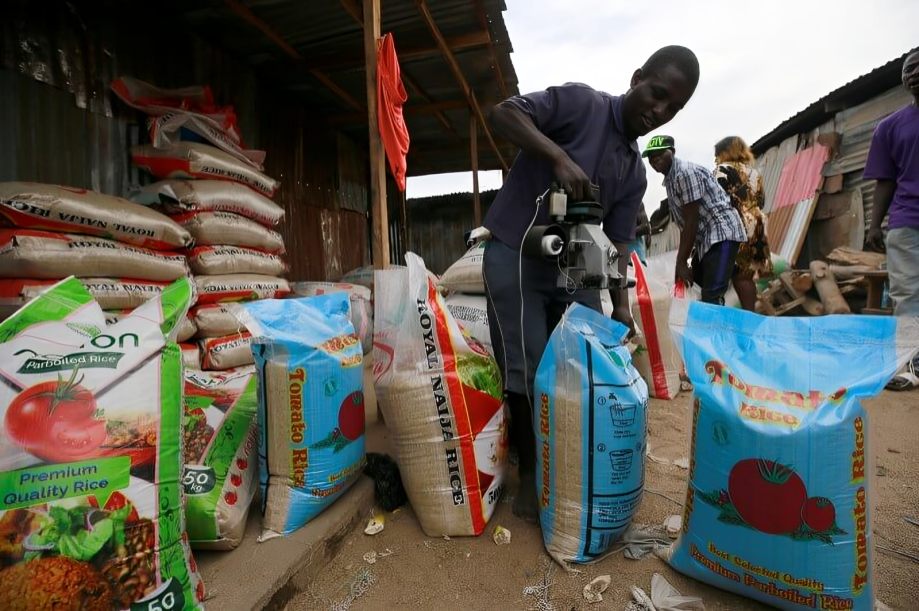

Finding accurate, up-to-date information on food prices is essential for budgeting in Nigeria’s fluctuating economy. As we move into the 2025–2026 market cycle, the price of rice remains a critical topic for households and traders alike.
This guide provides a human-verified snapshot of current rice prices across Nigeria, covering both local and imported varieties, based on recent market surveys and commodity trackers.
Current Rice Prices: At a Glance
As of October 2025, the market has experienced a slight relief compared to previous inflationary spikes. In many import-heavy states and major urban centers, prices have stabilized.
Below is the breakdown of the current market rates:
| Packaging / Rice Type | Typical Price Range (₦) | Market Context |
| 50kg Bag (Standard Local/Import) | ₦55,000 – ₦75,000 | Common market price for standard grade rice. |
| 50kg Bag (Premium/Foreign) | ₦70,000 – ₦95,000 | varies by brand (e.g., Royal Stallion, Caprice) and region. |
| 25kg Bag (Half Bag) | ₦28,000 – ₦38,000 | Roughly half the cost of a full bag; varies by retailer. |
| 1kg (Retail/Derica) | ₦1,720 – ₦1,944 | Price for small-scale household buyers. |
Market Note: While some premium brands push toward the ₦95,000 mark, savvy buyers can find standard quality rice in the ₦55,000 – ₦70,000 range in wholesale markets.
Market Trends & Observations (2025-2026)
Understanding why prices are moving helps you decide when to buy. Here are the key observations from late 2025 heading into 2026:
- Significant Price Drop: Compared to earlier highs, the price of a standard 50kg bag has seen a reduction, stabilizing between ₦55k and ₦70k in competitive markets.
- Urban vs. Rural: In regions closer to mills or outside major urban centers, local rice brands are significantly more affordable, often trending toward the lower end of the price spectrum.
- Volatility Factors: Despite recent stability, the market remains sensitive. Prices fluctuate daily based on harvest yields, supply chain logistics, and foreign exchange (FX) rates.
5 Key Factors Affecting Rice Prices in Nigeria
Why does the price differ from seller to seller? Several factors influence the final amount you pay:
- Brand & Quality: Premium, long-grain, polished imported rice will always cost more than unpolished or local short-grain varieties.
- Bag Size (Economics of Scale): Buying a 50kg bag is generally the most cost-effective method. Smaller packs (1kg, 5kg, or 10kg) attract higher costs per kilogram due to packaging and handling fees.
- Seasonality: During harvest seasons, increased supply drives prices down. Conversely, the “lean season” or periods of logistical challenges can spike prices.
- Transport & Location: If you live far from import hubs (like Lagos) or major farming states (like Kebbi or Ebonyi), transport costs will be added to the retail price.
- Cleanliness & Grading: “Stoneless” and well-sorted rice commands a higher premium than rice containing broken grains or debris.
Buyer’s Guide: How to Shop Smarter
To get the best value for your money in the current Nigerian market, consider these tips:
- Budget Accordingly:
- Bulk Buyers (Wholesale Buyers): Budget between ₦55,000 and ₦75,000 for a good quality 50kg bag.
- Retail Buyers: Expect to spend approximately ₦1,800 – ₦2,000 per kg.
- Inspect Before Payment: Cheaper prices often come with trade-offs. Always check for grain breakage, stone content, and mixed varieties before purchasing.
- Timing Matters: Because prices are volatile, confirm the price on the day of purchase. A quote valid on Monday may change by Friday due to currency fluctuations.
Frequently Asked Questions (FAQ)
How much is a bag of rice in Nigeria today (2026)?
A standard 50kg bag of rice typically sells between ₦55,000 and ₦75,000, though premium foreign brands can reach up to ₦95,000.
Has the price of rice gone down in Nigeria?
Yes, compared to the peak inflation spikes of early 2024/2025, prices have moderated in several markets, dropping to the ₦55k–₦70k range due to improved supply.
Which is cheaper: Local or Foreign Rice?
Local rice is generally cheaper, especially if purchased in states where it is cultivated. However, high-grade processed local rice is now competitively priced close to foreign varieties.
Disclaimer
This article is a human-verified snapshot based on data available as of October 2025 and projections for 2026. Data sources include commodity-price trackers and market reports (Vanguard, BusinessDay, Aqila). Actual prices vary by state, specific market, and seller. Always verify rates at your local market before making financial decisions.