



If you’re planning to start or expand a tailoring business in Nigeria in 2026, one of the most important investments you’ll make is your sewing machine. Among the many brands available in the Nigerian market, Emel sewing machines have become popular — especially for tailors, fashion designers, and small garment manufacturers looking for a reliable, affordable and durable workhorse. In this article, we’ll break down the latest prices of Emel sewing machines in Nigeria in 2026, review their features and performance, and help you decide whether one is right for your sewing needs.
Overview: Why Choose an Emel Sewing Machine in Nigeria
Before we dive into prices, it’s important to understand what makes Emel sewing machines a noteworthy option in Nigeria:
- Emel machines are widely available in major cities across Nigeria, including Lagos, Abuja, Kano, and Port Harcourt.
- They are known for being affordable compared with some international brands and offer durable build quality for everyday sewing tasks.
- Different models cater to different levels — from home/electric sewing to industrial heavy-duty work.
Current Price Range of Emel Sewing Machines in Nigeria (2026)
Emel sewing machines in 2026 vary significantly in price depending on type, capacity, and features. Below is a snapshot of common models you can find in the Nigerian market today:
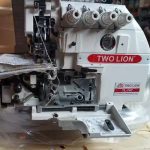
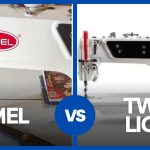
Also See: Emel vs Two Lion Sewing Machine in Nigeria (2025/2026 Latest Review & Prices)
1. Electric / Home Use Models
These are compact, user-friendly machines designed for home sewing, beginner tailors, and small projects:

- Emel Electric Sewing Machine – Approximately ₦210,000
This model features multiple stitch patterns (straight, zig-zag), adjustable stitch control, automatic bobbin winder and reverse stitching — ideal for household sewing or beginner designers.
2. Industrial Straight Sewing Machines
Industrial models are built for larger volumes of sewing and tougher fabrics like denim, leather, and uniforms:
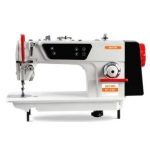
- Emel Industrial Straight Sewing Machine (e.g., EM 8500) – Around ₦385,000 – ₦440,000
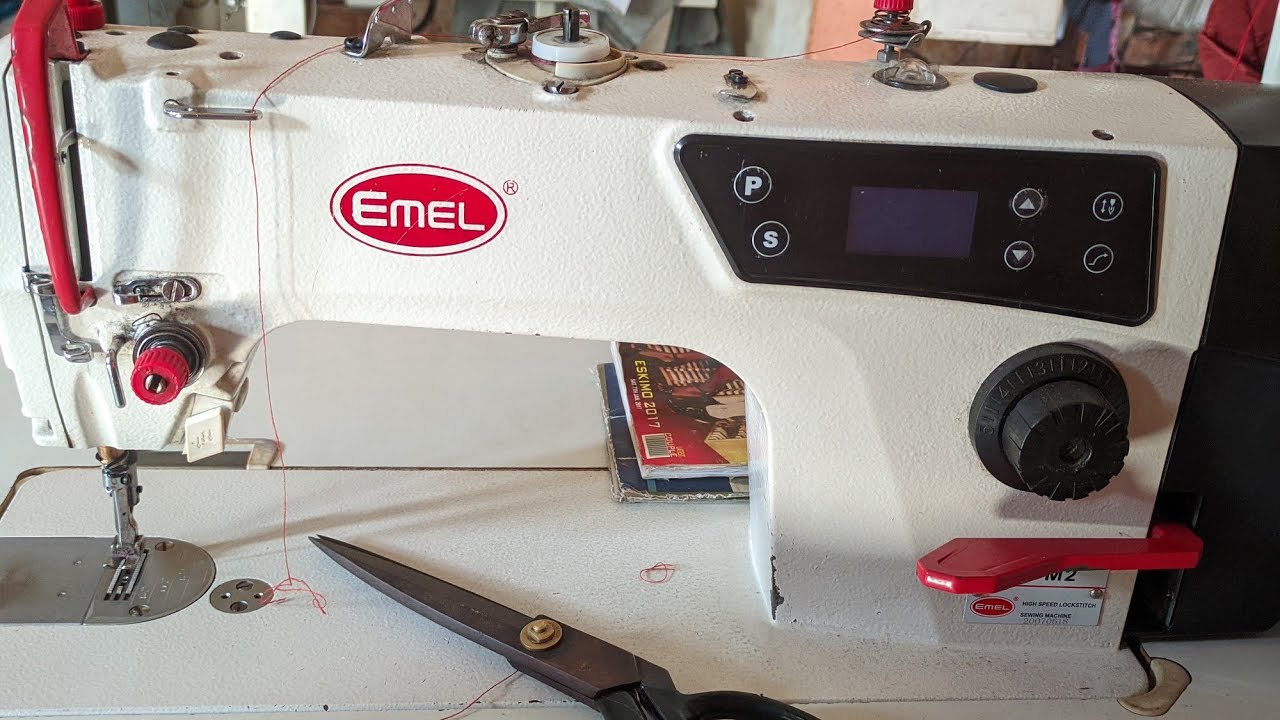
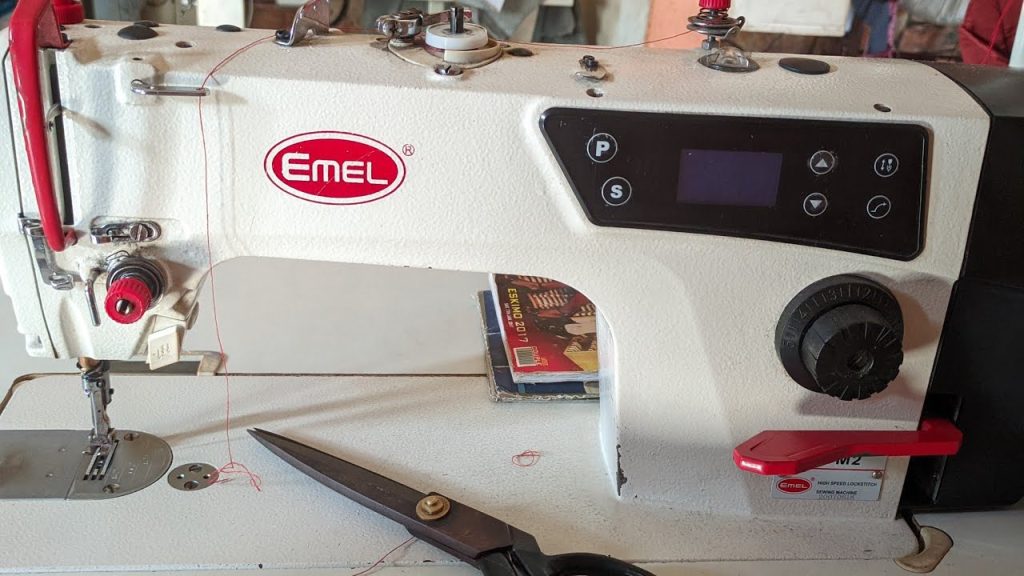
These heavy-duty machines deliver fast lockstitch performance and high precision — suitable for professional tailors and workshops. - Direct Drive Industrial Model (EM M2 or EM 81) – Around ₦405,000 – ₦418,000
These versions feature servo motors instead of clutch motors, which equates to lower noise, energy savings, and better efficiency in continuous operation.
3. Overlock / Serger Machines
Overlocking machines give professional finishes to seams and edges, which is essential for fashion designers and garment makers:
- Emel 3-Thread Overlock Sewing Machine – Approximately ₦489,900
This machine is designed for clean, strong seam finishes, perfect for tailoring and garment production. - Emel 4-Thread Industrial Overlocking Machine – Around ₦520,000
With more threads and stability, this version provides more robust seam strength and is suited for heavier materials.
4. Other Variants
Some sellers also list other Emel models at differing prices, including lock stitch machines around ₦180,000 – ₦299,600, depending on features and seller pricing.
Emel Sewing Machine Review: What You Should Know
Emel sewing machines have garnered attention among Nigerian sewers for a few key reasons:
Durability and Build Quality
Industrial Emel machines are typically all-metal construction, ensuring that they can withstand heavy workloads and prolonged use without frequent breakdowns. This robustness makes them suitable for garment factories, tailoring shops, and entrepreneurs.
Performance Across Fabrics
Many Emel models are capable of handling a wide variety of fabrics — from lightweights like cotton and chiffon to heavier materials like denim and leather. Industrial models generally sew up to 5,500 stitches per minute, making them efficient for high-volume tasks.
Energy and Cost Efficiency
Models with direct-drive servo motors are becoming more popular because they consume less energy and run quieter compared to traditional clutch-motor versions. For tailors who are often in noisy or crowded workspaces, this difference can be significant.
Suitability
- Hobbyists and Home Users: The electric sewing machine works well for everyday sewing, repairs, and creative projects.
- Professional Tailors: Industrial straight machines are ideal for consistent performance and durability.
- Garment Finishing Pros: Overlock machines are essential for seam finishing and professional wardrobe construction.
Where to Buy and Things to Consider
Emel sewing machines are sold through a mix of physical stores and online vendors across Nigeria. You can find listings on marketplaces like Jiji, local dealer websites, and online stores that specialize in sewing and tailoring equipment.
Before You Buy
- Check Warranty and After-Sales Support: Some sellers may provide limited maintenance or spare parts support — an important factor if you plan to use the machine long-term.
- Verify Authenticity: Be cautious with deals that seem too good to be true. Lack of genuine support or replacement parts can cost more in the long run.
- Consider Power Needs: Industrial machines may require stable power supply and space for a table and motor — plan accordingly.
- Price Variations: Fluctuations in exchange rates and supply chain changes can impact prices between regions and sellers.
Conclusion
In 2026, Emel sewing machines remain one of the most accessible and versatile options for Nigerians, whether you’re starting a tailoring business or upgrading your workshop. Prices generally range from around ₦180,000 for basic industrial units, to ₦520,000 for advanced overlock machines and above. Electric home machines sit at roughly ₦210,000 — making them a viable option for beginners and hobby sewers as well.
Before purchasing, assess your sewing needs, budget, and workflow requirements to choose a model that delivers the best value. With solid build quality and a range of models available, Emel sewing machines continue to be a practical choice for many Nigerian tailors and fashion entrepreneurs.